

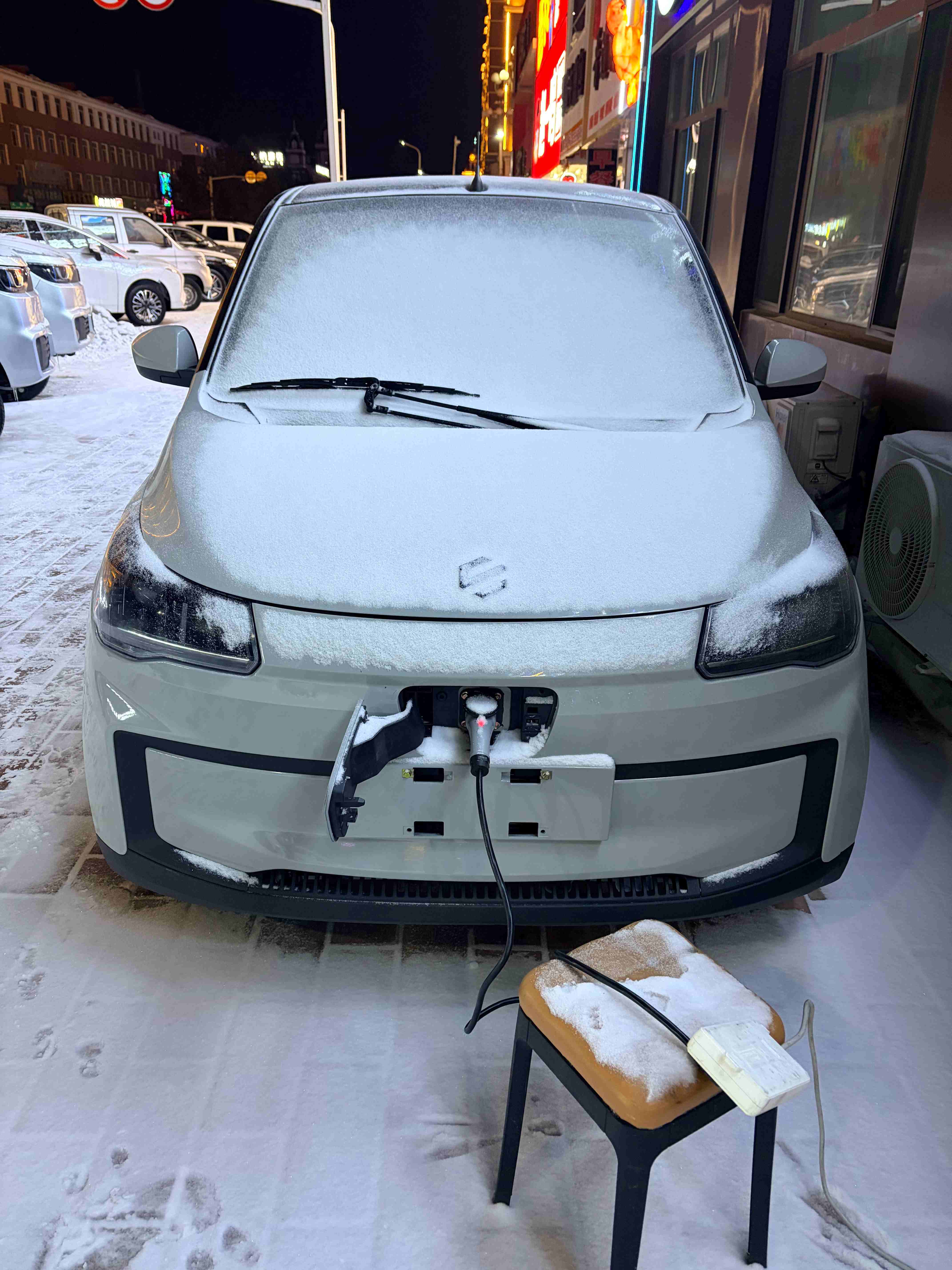
 As electric micro cars, particularly in the L6e-BP electric quadricycle segment, rapidly expand across Europe, battery technology has become a critical factor in not only range and safety but also seasonal performance. Europe’s diverse climate—from the cold winters of Northern and Central Europe to the hot summers of Southern Europe—presents real-world challenges for EV batteries.
The ELFGOGO E6 currently uses Lithium Iron Phosphate (LFP) batteries with integrated heating systems. While LFP batteries offer unique advantages, it is essential to understand how different battery chemistries perform in various climatic conditions, helping distributors and users make informed decisions based on their local environment.
Safety is the cornerstone of battery selection, especially in urban environments.
LFP batteries are known for their excellent thermal stability. The chemical structure is highly resistant to overheating and thermal runaway, even in extreme weather conditions, making LFP batteries a safer option for urban mobility, shared services, and fleet applications.
NMC batteries, although offering higher energy density, are more sensitive to temperature fluctuations and require advanced thermal management systems to maintain safety.
In both hot and cold climates, LFP batteries provide a larger safety margin, which is why they are preferred for entry-level electric vehicles (EVs) and shared mobility solutions.
Cold temperatures significantly impact battery efficiency, usable capacity, and charging behavior.
NMC batteries perform better in cold environments, retaining more usable capacity and offering improved low-temperature discharge characteristics.
LFP batteries experience a more noticeable reduction in available power and range during winter, especially in the absence of active battery heating systems.
However, given that the ELFGOGO E6 comes equipped with battery heating, LFP batteries can maintain a stable performance even in sub-zero temperatures. This heating feature, tested in extreme conditions like Mohe winter tests (as low as -30°C), ensures that LFP batteries perform effectively in colder regions like Northern Europe, Alpine areas, or Eastern Europe.
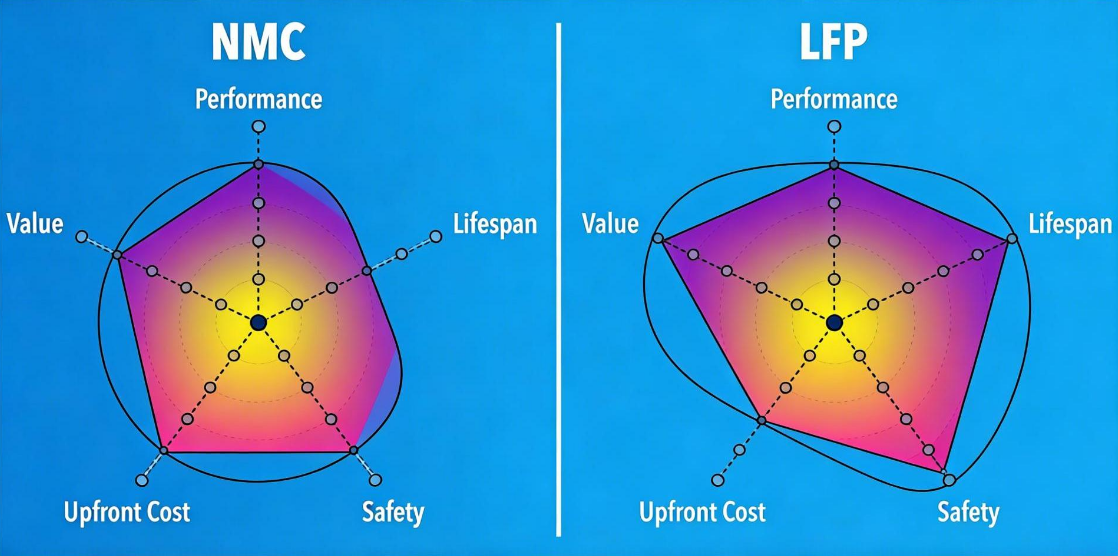
High ambient temperatures place different stresses on battery systems.
LFP batteries excel in hot environments, showing stable performance, slower degradation, and strong resistance to thermal stress.
NMC batteries, on the other hand, are more sensitive to prolonged high temperatures. Without proper thermal management, prolonged exposure to heat can accelerate aging.
For markets in Southern Europe or regions with hot summers, LFP batteries provide a clear advantage in durability and long-term performance.
Energy density remains one of the most noticeable differences between the two chemistries.
NMC batteries offer higher energy density, allowing for a longer driving range in the same physical space.
LFP batteries are heavier for the same energy capacity, but they still deliver enough range for short-distance urban commuting, which suits the typical usage profile of L6e vehicles.
Given the ELFGOGO E6’s role in urban mobility, LFP batteries provide a sufficient range for most city commuters, which aligns well with the average urban daily commute in European cities.
Long-term reliability is crucial for both private users and fleet operators.
LFP batteries typically offer a longer cycle life and slower degradation, especially under frequent charging and high-temperature conditions.
NMC batteries provide excellent performance but may experience faster capacity loss over time, especially in warmer climates.
For high-utilization vehicles, fleet operators, and cost-conscious markets, LFP batteries reduce the total cost of ownership over the vehicle's lifespan due to their longer life cycle and more stable degradation rate.
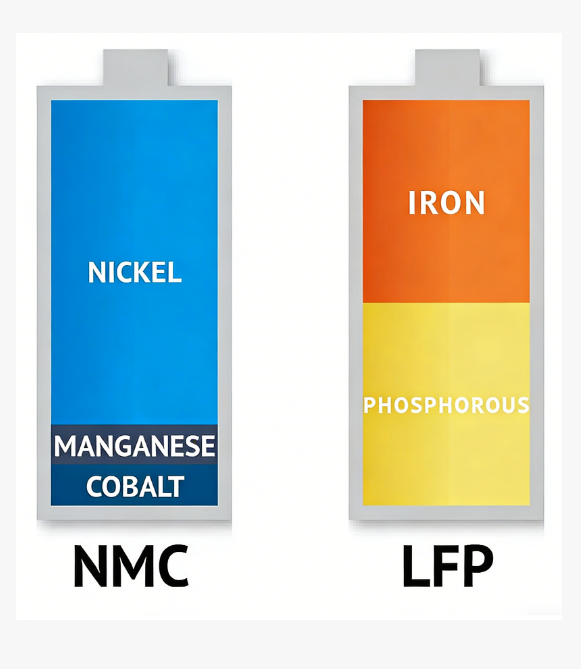
Sustainability has become a growing priority in the European Union.
LFP batteries avoid the use of cobalt and nickel, significantly reducing environmental impact and supply chain risks, aligning better with the EU’s sustainability goals and long-term regulatory trends.
NMC batteries, while more energy-efficient, rely on critical raw materials such as cobalt and nickel, which are subject to price volatility and geopolitical risks.
As Europe tightens regulations around environmental sustainability, LFP technology’s alignment with these goals makes it an attractive option for the future.
Both LFP and NMC batteries offer distinct advantages depending on the climate and user profile.
LFP Battery: Superior safety, excellent performance in hot climates, longer cycle life, and lower long-term ownership cost. Ideal for shared mobility, fleets, and Southern Europe.
NMC Battery: Higher energy density, longer range, and better low-temperature performance. Suitable for colder climates and users with longer range needs.
The ELFGOGO E6 currently offers only LFP batteries with integrated charging heating systems. This configuration ensures reliable performance in cold climates, like Northern Europe or Alpine regions, while also providing resilience in hotter environments, making it a versatile choice for urban mobility across Europe.

 English
 French
 Spanish
 Italian
 German