

As Europe accelerates its transition toward compact, clean, and license-free mobility, L6e-BP micro EVs, also known as electric quadricycles, are becoming an increasingly important segment of the urban mobility market. Behind their growing adoption lies a fundamental technical factor that directly influences safety, regulatory compliance, and long-term commercial viability: structural engineering.
For distributors, importers, and dealers evaluating L6e-BP micro EV suppliers, the choice between unibody structures and plastic frame structures is not merely a design preference. It is a strategic decision that affects vehicle behavior in daily operation, EU type-approval robustness, insurance acceptance, repairability, and total cost of ownership.
This article explains why, in the L6e-BP segment, structural engineering matters, and how unibody and plastic frame structures differ in practical, regulatory, and commercial terms.
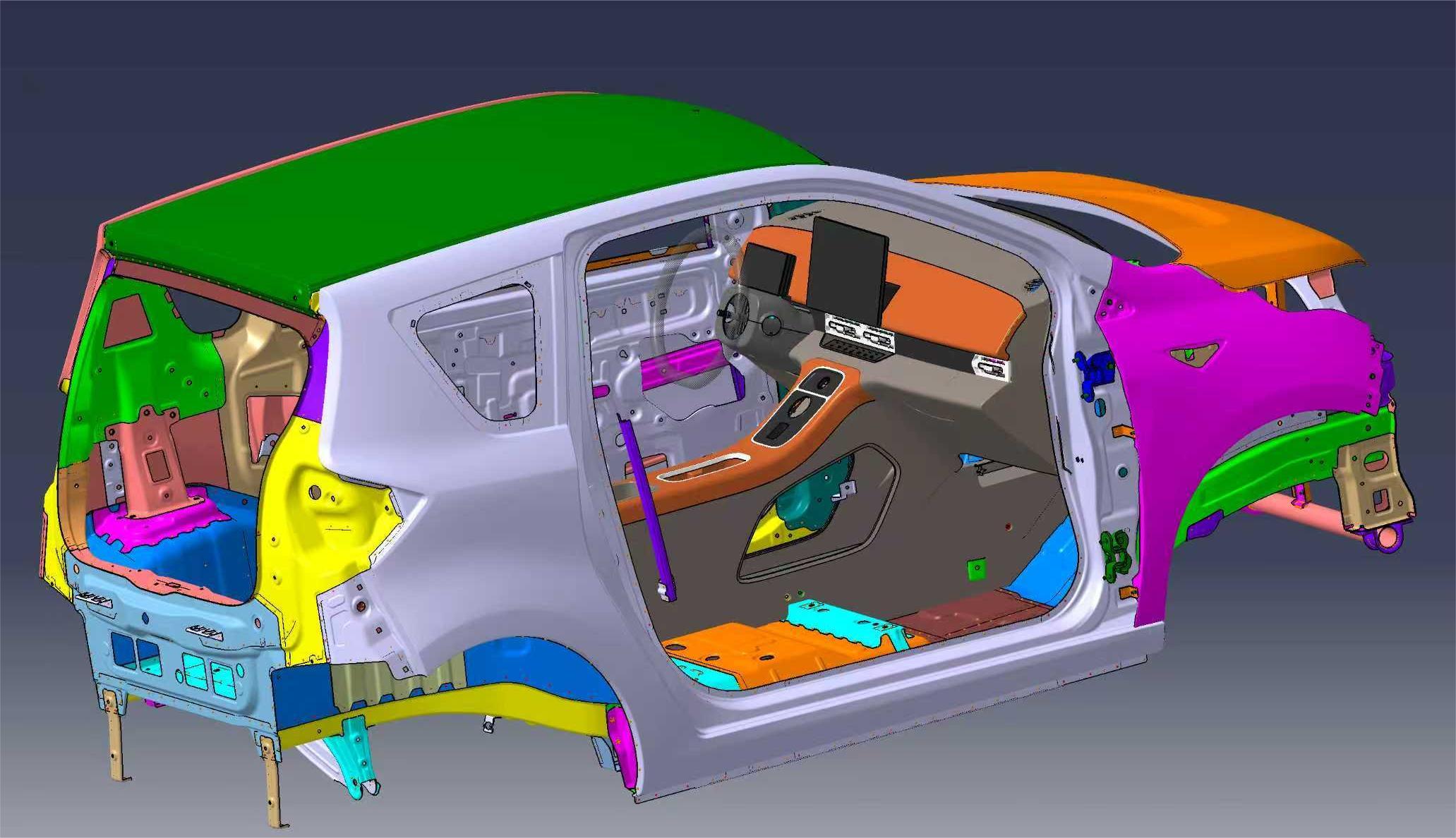
Although L6e-BP micro EVs are limited to a maximum speed of 45 km/h, they operate in real traffic environments and carry passengers on public roads. Consequently, EU technical services and insurers place clear emphasis on structural performance, not only on powertrain or electronic systems.
Key structural aspects assessed during approval and insurance evaluation include:
Load-bearing capacity and torsional rigidity
Defined frontal and side impact energy paths
Battery enclosure protection against intrusion
Seat-belt anchorage strength
Suspension mounting consistency
Structural behavior under emergency braking and cornering
In real-world use, the vehicle structure has a greater impact on safety margins, driving stability, NVH performance, and long-term durability than battery size or motor output. For dealers, this directly translates into warranty exposure, customer satisfaction, and brand credibility.
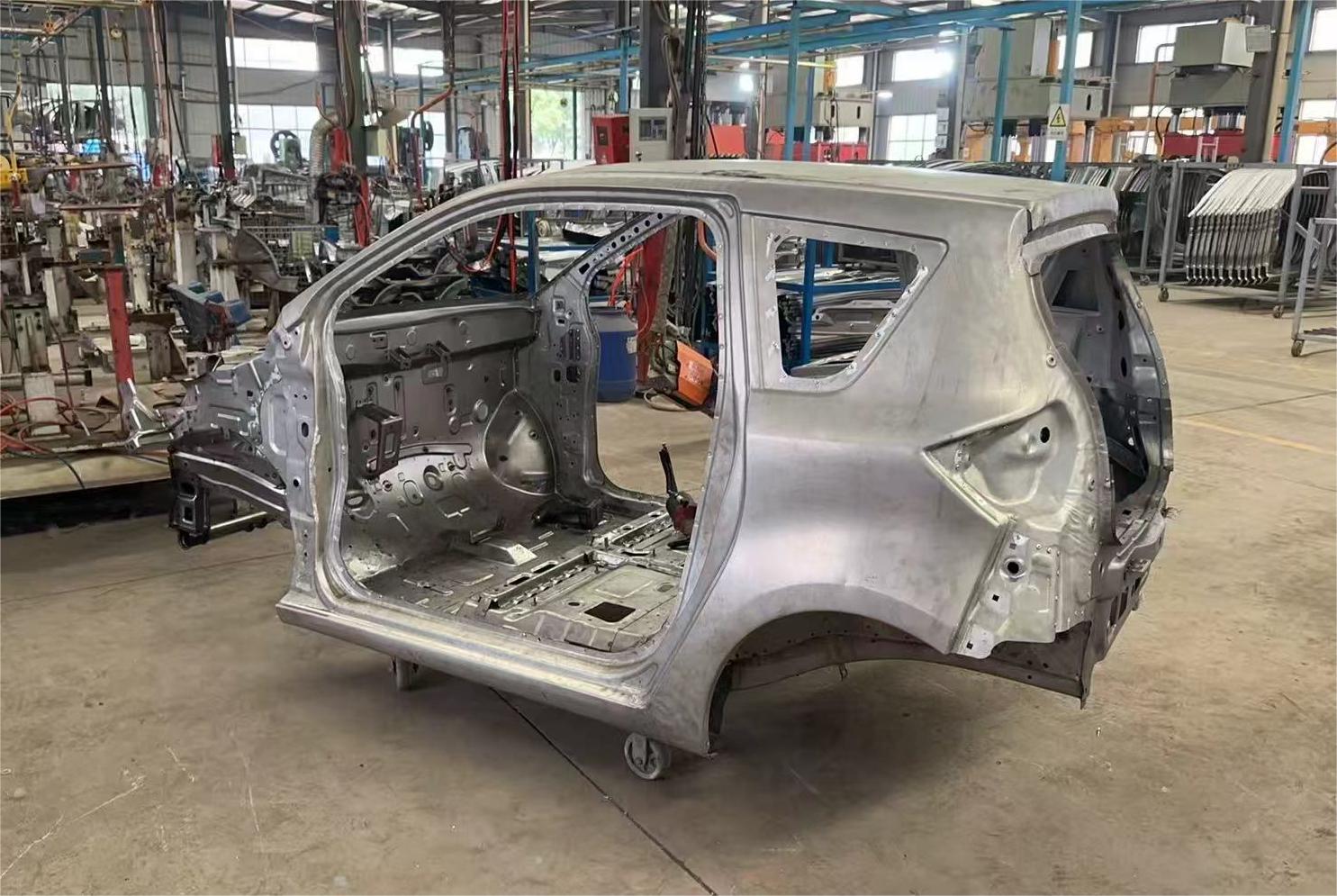
A unibody (monocoque) structure integrates all primary load paths into a single, continuous metal body. The body itself functions as the main load-bearing element and typically includes:
A load-bearing occupant safety cell
A structurally integrated battery enclosure
Front and side structures designed to manage crash energy
Direct mounting points for seats, seat belts, and suspension
Predictable and repeatable crash deformation behavior
High torsional rigidity
Structural battery protection
Stable suspension geometry over the vehicle's service life
Automotive-grade structural integration
Lower long-term warranty risk
Strong insurance acceptance
Higher consumer confidence
More stable residual values
Proven durability in fleet and shared-mobility use
While plastic frame structures dominate the current L6e-BP market, unibody construction remains the reference architecture for passenger vehicles where long-term structural stability is a priority.
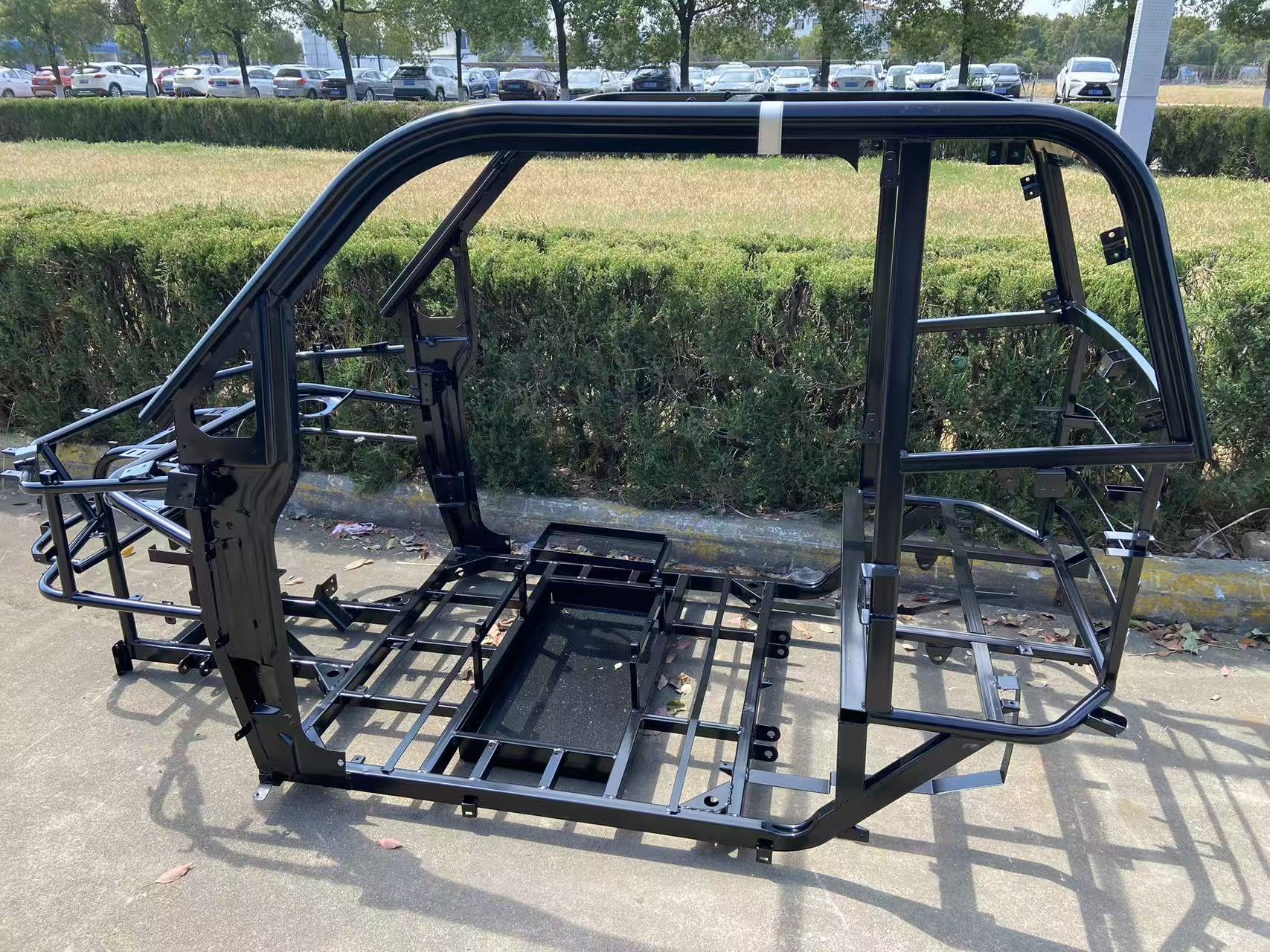
A plastic frame structure typically combines:
A metal frame or sub-structure carrying the primary loads
Plastic exterior panels and modules
A non-load-bearing cabin enclosure
In this architecture, plastic components are used mainly for enclosure, styling, and weather protection. Structural performance depends largely on the design quality and stiffness of the underlying metal frame, as well as the durability of interfaces between frame and body modules.
Overall rigidity is frame-dependent
Crash behavior varies across designs
Battery protection relies on frame geometry and reinforcements
Load transfer occurs through multiple joints and interfaces
Long-term alignment and NVH depend on connection durability
Greater variability in real-world vehicle behavior
Perceived quality differences between markets
After-sales performance closely tied to frame robustness
Plastic frame structures are the mainstream solution in today's L6e-BP micro EV segment, largely due to manufacturing efficiency and cost control, provided that the metal frame meets regulatory expectations.
Unibody vs. Plastic Frame Structures
Rigidity: High vs Frame-dependent
Crash behavior: Predictable vs Design-dependent
Battery protection: Structurally integrated vs Frame-reliant
Driving stability: Consistent vs Variable
Long-term alignment: Stable vs May change over time
NVH performance: Generally lower vs Connection-dependent
Repairability: Clear structural reference vs Interface-complex
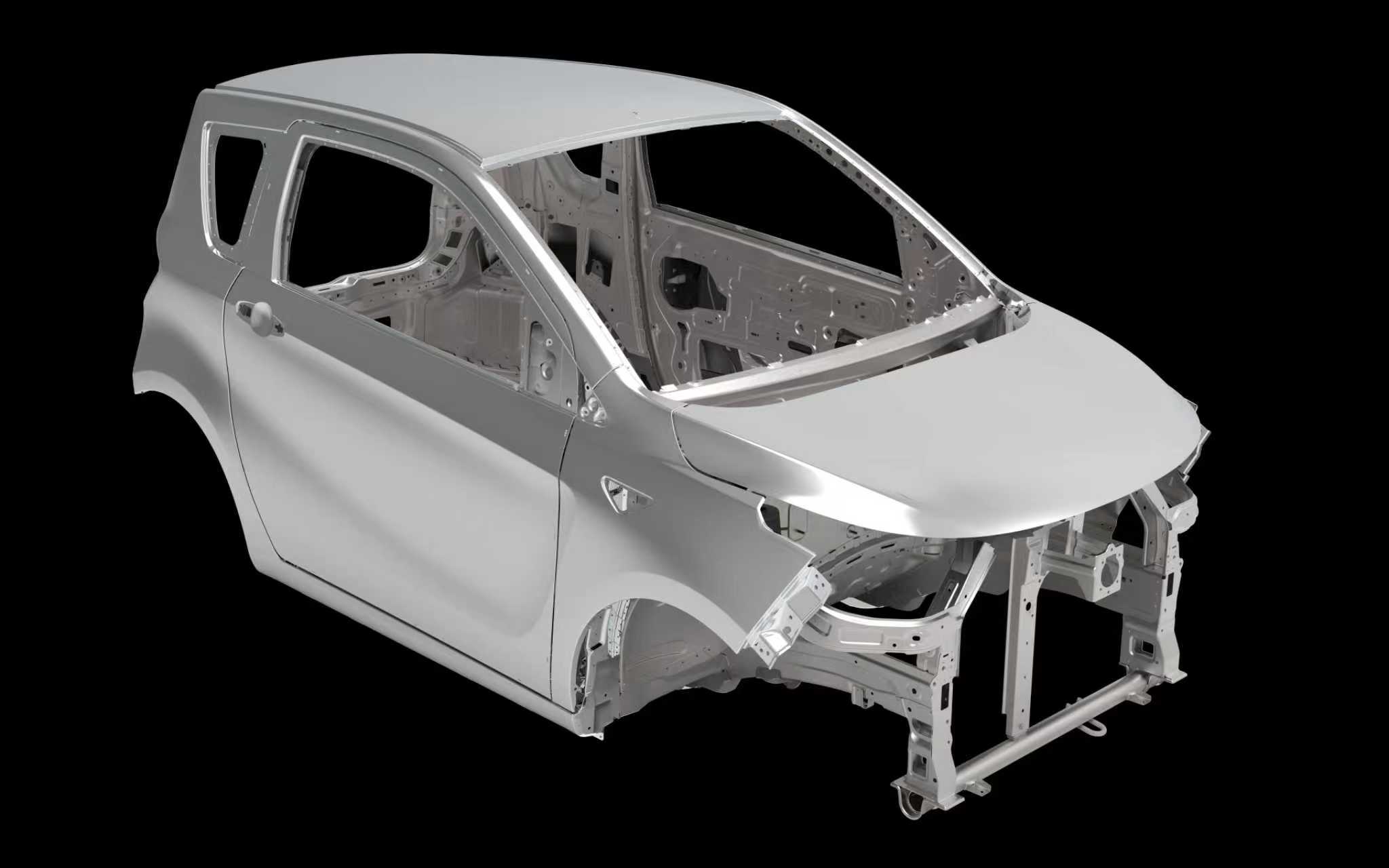
Driving Stability
Unibody structures provide more consistent steering and braking behavior. Plastic frame structures may exhibit greater variation depending on frame stiffness and joint design.
Urban Durability
Unibody platforms generally tolerate repeated stop-start traffic, uneven road surfaces, and long-term vibration more consistently.
Crash Safety
Unibody designs integrate deformation zones into the body structure, while plastic frame vehicles rely primarily on the metal frame to manage impact loads.
Fleet Applications
For shared mobility, rental, and logistics fleets, unibody structures are often preferred due to predictable durability and reduced downtime risk.
Reduced warranty and after-sales costs
More consistent insurance acceptance
Stronger positioning in EU markets
Higher customer satisfaction
Lower total cost of ownership
Predictable long-term vehicle performance
Unibody Structures Are Better Suited For:
Long-term brand development
Quality- and safety-oriented positioning
Fleet and shared-mobility applications
Risk-controlled dealer portfolios
Plastic Frame Structures Are Typically Chosen For:
Lower upfront vehicle cost
Entry-level market positioning
Cost-sensitive regions
Low-utilization or short-cycle applications
In the L6e-BP micro EV segment, structural engineering is the foundation of safety, durability, regulatory compliance, and commercial success. Unibody structures offer higher rigidity, more predictable crash behavior, and lower long-term dealer risk.
While plastic frame structures remain the dominant solution in today’s market, distributors and dealers aiming to establish a stable, credible presence in Europe’s growing micro EV sector should evaluate vehicle structure as a strategic priority, not a secondary specification.

 English
 French
 Spanish
 Italian
 German